FOR SUPPORT, CALL 1-866-APF-3635 (273-3635)
Acute Intermittent Porphyria (AIP)
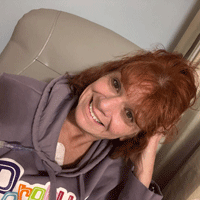
REGINA PERRY WAS READY TO HELP EVEN AT HER SICKEST Editors Note. During a critical AIP attack, Regina volunteered to provide support to other porphyria people from her hospital bed and has continued that desire. She will be helping other porphyria people via our Porphyria Partners Program, appearing on the APF podcast and assisting the APF when new people are diagnosed. You, too, have the opportunity to volunteer at the APF and be a part of saving another porphyria person from suffering and help set their feet on a better health path!
My symptoms began when I was just two years old. Some of my earliest experiences were shaped by seizures, abdominal pain, nausea, and vomiting. Although my mother was told that three of her four children had Acute Intermittent Porphyria, diagnostic testing was not available to me at the time. I grew up living with symptoms that did not have a confirmed name, even though porphyria was already part of my family's story. About seven years ago, my search for a diagnosis became urgent when my son began showing signs and symptoms of the same disease. I was no longer fighting only for answers about my own health; I was fighting for my child as well. For years, doctors insisted that neither my symptoms nor my children's symptoms could possibly be porphyria. Some admitted they knew little about the disease, yet still refused to research it, listen to our experiences, or perform the appropriate urine testing during a suspected acute attack.
The most painful part of this journey has not been the illness alone, but also the experience of not being believed. During severe attacks, I can lose control of my muscles. My arms and legs may flail because of dysautonomia, dyskinesia, and dystonia, but medical professionals have sometimes interpreted these involuntary movements as combative behavior. I have been labeled "drug-seeking" while experiencing unbearable pain, and I have been physically restrained for hours because doctors misunderstood what was happening to my body. Those experiences left me feeling powerless at moments when I most needed informed, compassionate care.
Eventually, I was diagnosed with Acute Intermittent Porphyria, but the disease continues to affect nearly every part of my life. I live with severe nerve damage and daily pain that interrupts ordinary activities. Some days, I am unable to function. I recently lost my job, which has added another layer of emotional and financial strain. Socially, porphyria can be isolating because even positive occasions require careful planning. Preparing for a large event often creates enough stress to trigger an acute attack. During an attack, I experience intractable abdominal pain, and my joints feel as though they are on fire. I become unable to eat or keep food down. If the attack is not treated, I can quickly lose control of my muscles and other bodily functions. I may also experience serious neurological and mental health symptoms, including intense anxiety, confusion, and, most severely, hallucinations. These symptoms can be terrifying and disorienting, especially when the people around me do not understand that they are part of a medical crisis. They can also make it much harder for me to communicate clearly and advocate for myself when I urgently need appropriate care.
These moments stand out because they show how rapidly porphyria can affect both the body and the mind and how quickly an untreated attack can become dangerous. The pain is extraordinarily difficult, but the inability to predict every trigger can be just as challenging. Even when I plan carefully, I cannot always know what will set off the next attack. Learning to identify and avoid triggers has become a central part of managing my health. I must plan meals carefully, prioritize rest, and make sure pain and nausea are addressed. Stressful situations require a tremendous amount of additional support. During the hardest moments, I rely on prayer, meditation, and the love of my husband and children. Their presence gives me strength when the physical, neurological, and emotional burden feels overwhelming.
Support from the porphyria community has also been life-changing. During my child's most recent attack, Desiree Lyon at the American Porphyria Foundation (APF) became a lifeline. She prayed with me, contacted doctors on my behalf, and reached out to the manufacturer of Panhematin. Most importantly, she refused to give up until both my child and I received diagnoses. Her advocacy showed me what can happen when someone understands the disease, believes the patient, and is willing to keep fighting. When the hospital didn’t believe a porphyria diagnosis, expert Dr. Roy Smith stepped in a took on Regina’s case and provided her treatment and a correct diagnosis. Editor note.
Through this journey, I have learned that I am stronger than I ever thought possible - and that I am not nearly as "crazy" as some people made me feel. The confusion and hallucinations I can experience during attacks are symptoms of a serious illness, not a reflection of who I am. Years of disbelief caused me to question my own experiences, but receiving a diagnosis confirmed that my symptoms were real. It also strengthened my determination to make sure others living with rare diseases feel heard and believed. I want newly diagnosed patients to know that there is hope. Porphyria may be rare, but treatments are available, and organizations exist to connect patients with knowledgeable medical care, education, and advocacy. This disease can be managed. No one should have to face it alone or believe that a diagnosis means the end of a meaningful future.
I wish more people understood not only the physical pain of porphyria, but also its neurological, psychological, and emotional effects. Anxiety, confusion, and hallucinations can be among the most frightening parts of an acute attack, particularly when they are misunderstood as intentional behavior or dismissed as purely psychiatric. I also wish people understood the fear of another attack, the loneliness of being disbelieved, and the hopelessness that can arise when the people treating you have never heard of your condition. Medical professionals need to know how to test accurately for an acute attack and treat it before it becomes life-threatening. Patients deserve to be listened to rather than dismissed, judged, or restrained because their symptoms are unfamiliar.
What gives me hope is being part of a community that gathers strength from one another. I find purpose in helping others and in imagining a future with newer, more affordable treatments available in more locations. My goal is to regain my health, return to work, and become an advocate within the rare-disease community. After spending so much of my own journey searching for answers in the dark, I want to become a light in that darkness for someone else.
Organizations such as the American Porphyria Foundation provide essential support to patients and families who might otherwise feel lost and alone. They help people navigate the diagnostic process and offer practical resources such as physician information packets and symptom trackers. They also connect patients with knowledgeable people who are willing to advocate for the care they need. For someone facing a rare disease that many medical professionals have never encountered, having informed advocates can make the difference between being dismissed and finally being heard, tested, and treated appropriately.
These organizations offer more than information. They provide reassurance, connection, and hope during some of the most frightening and isolating moments of this disease. Their support reminds me that I do not have to fight alone and strengthens my desire to advocate for others living with porphyria.