FOR SUPPORT, CALL 1-866-APF-3635 (273-3635)
Varigate Porphyria (VP)
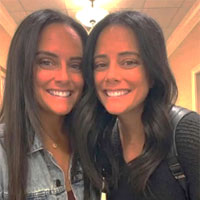
The Fosco Twins Illustrate One Disease, Two Very Different Experiences
Social media has opened a world of opportunities for people living with acute hepatic porphyria (AHP) to connect, share their experiences, and learn from one another. However, these conversations can sometimes cause confusion when patients discover that their symptoms are very different from those described by others with the same disease.
What many patients do not realize is that porphyria symptoms can vary dramatically from person to person, even within the same family. Two people with the same type of porphyria may experience entirely different symptoms, levels of severity, and treatment needs.
Twin sisters Arielle and Lea Fosco of Norristown, Pennsylvania, are a remarkable example of this. Both sisters have Variegate Porphyria (VP), yet their experiences with the disease could hardly be more different.
Arielle was the first of the twins to be diagnosed. Like so many patients with acute porphyria, her journey began with unexplained and excruciating pain. Unlike many patients who spend years searching for answers, however, she received a relatively rapid diagnosis.
In April 2019, Arielle began experiencing severe pain that she initially believed was a urinary tract infection (UTI). As the pain intensified, she made repeated trips to the hospital, desperately searching for relief and an explanation. Fortunately, an observant hospitalist recognized that her severe abdominal pain might be caused by porphyria. In July 2019, just three months after her symptoms began, Arielle was diagnosed with VP. Patients with acute porphyria have historically reported diagnostic delays averaging approximately 15 years, so she was extraordinarily fortunate to encounter a physician who recognized this rare disease.
Her symptoms included many of the classic manifestations of an acute porphyria attack: severe abdominal pain, rapid heartbeat, nausea, aching arms and legs, dark urine, and an overwhelming feeling of illness.
Arielle eventually found a porphyria specialist who understood both the disease and the tremendous burden it placed on her life. She began receiving Panhematin (hemin) treatments to help control her attacks. The treatments were successful, and she enjoyed more than two years without an attack, a wonderful reprieve from the suffering she had endured. Unfortunately, her attacks eventually returned. Her physician therefore planned to add Givlaari (givosiran) to her treatment regimen to help reduce the frequency of attacks and lessen the burden of the disease.
While Arielle's disease has been dominated by severe acute attacks, her twin sister Lea has experienced a very different side of VP. Patients with VP can have both acute neurological symptoms and skin manifestations caused by sensitivity to sunlight. In some patients, VP also causes fragile skin, blistering, and painful lesions on sun-exposed areas, resembling the skin symptoms seen in Porphyria Cutanea Tarda (PCT).
For Lea, the skin manifestations of VP have been especially troublesome. Although she has also experienced some of the acute symptoms familiar to her sister, her disease has been characterized more by painful photosensitivity and skin problems than by severe acute attacks. Unlike Arielle, Lea has not required hemin infusions.
Throughout Arielle's illness, Lea has been a source of support, helping her twin during difficult periods and witnessing firsthand the devastating impact acute porphyria can have on a person's life. Yet Lea has her own challenges. More recently, she too has begun experiencing symptoms resembling the acute attacks that have been such a significant part of Arielle's journey.
For these sisters, the disease they share has taken two very different paths. Their story reinforces the importance of knowledgeable physicians, appropriate biochemical and genetic testing, individualized treatment, and continued education about the many ways porphyria can manifest. Most importantly, Arielle and Lea remind us that every patient's story deserves to be heard.
The American Porphyria Foundation is committed to helping every patient find answers, knowledgeable medical care, appropriate treatment, and the support they deserve. Contact the APF at 866-APF-3635 or info@porphyriafoundation.org.